
Moving into a care home is a significant life change, both for the person moving in and for their family. Whether the move is planned well in advance or follows a period of illness, hospitalisation or increasing care needs, it is completely normal to feel a mixture of emotions.
Many families worry about how their loved one will settle in, whether they will make friends and how long it will take for their new surroundings to feel like home. These concerns are understandable, but with the right support, many residents find that the transition is smoother than they initially expected.
If you are currently exploring care homes in London or considering a move for yourself or a loved one, understanding what happens during those first few weeks can help provide reassurance and confidence.
Every Resident's Journey Is Different
There is no single experience when moving into a care home. Some residents settle in quickly and enjoy getting involved straight away, while others need a little more time to adjust to their new surroundings.
Leaving a home filled with memories can be emotional. Even when the move is the right decision, it is natural for residents to miss familiar routines, neighbours and the comfort of their previous environment.
Good care homes recognise this and focus on helping residents settle at their own pace. Rather than expecting someone to adapt immediately, experienced care teams take the time to get to know each individual and support them through the transition.


Getting to Know the Resident Behind the Care Needs
The first few weeks are about much more than practical support. They are an opportunity for care teams to learn about the person behind the care plan.
Understanding a resident's hobbies, interests, life experiences, routines and preferences helps create truly personalised care. Something as simple as knowing how someone likes their morning tea, what television programmes they enjoy or what time they prefer to wake up can make a meaningful difference.
This person-centred approach helps residents feel recognised as individuals rather than simply recipients of care.
Creating Familiar Routines
One of the biggest adjustments when moving into a care home is becoming familiar with a new environment. Establishing routines can help create a sense of comfort and stability.
Many residents find reassurance in maintaining aspects of their existing routine where possible. This could involve reading the newspaper each morning, enjoying favourite hobbies, attending activities they particularly enjoy or spending time in the garden.
Familiar routines help provide structure and can make a new environment feel more comfortable much sooner.
Building Relationships and Friendships
For many people considering care homes in London, one concern is loneliness. Families often wonder whether their loved one will make friends and feel part of the community.
The reality is that many residents enjoy increased social interaction after moving into a care home. Opportunities to share meals, participate in activities and spend time in communal areas often lead to meaningful friendships.
Residents are encouraged to join activities and events when they feel comfortable, but there is never pressure to participate. The goal is to create opportunities for connection while respecting individual preferences.
Over time, familiar faces become friends and many residents develop a strong sense of belonging within the home.

Support for Families During the Transition
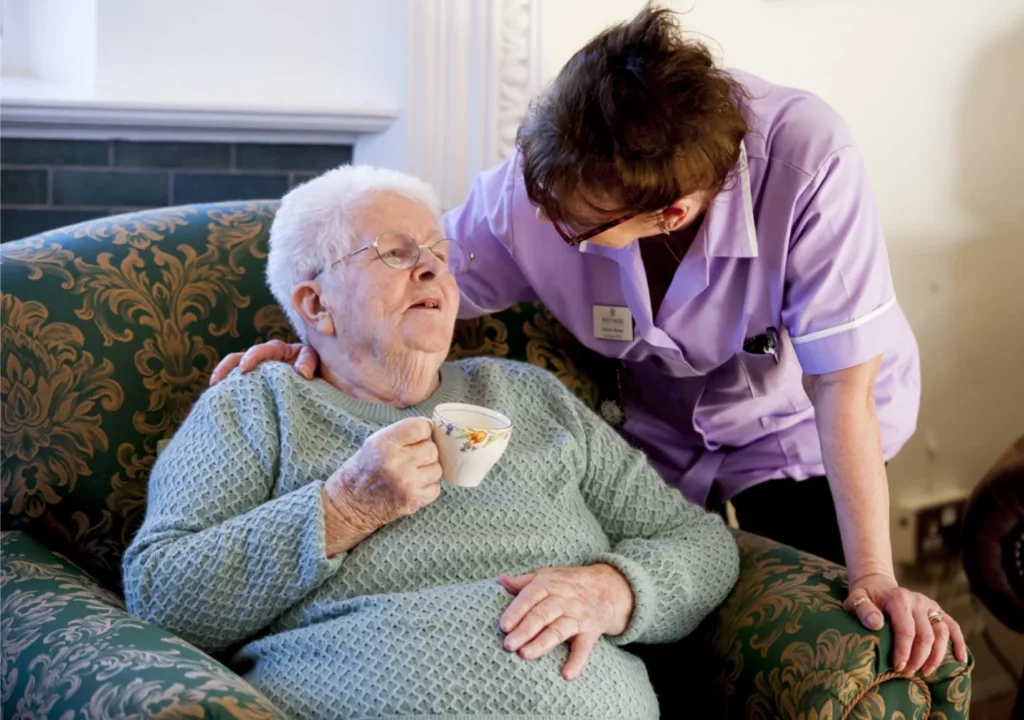
The transition period can be emotional for relatives too. Family members may experience feelings of guilt, uncertainty or worry about whether they have made the right decision.
Good communication between families and the care team is essential during this time. Regular updates and conversations help relatives feel informed and reassured that their loved one is settling in well.
Families remain a vital part of a resident's life, and care homes actively encourage visits, outings and ongoing involvement whenever possible.
Many families find that once the practical responsibilities of caregiving are reduced, they can focus on simply enjoying quality time together again.
Adjusting to Daily Life
One of the biggest surprises for new residents is often how quickly they begin to enjoy aspects of daily life within the home.
Freshly prepared meals, organised activities, companionship and access to support whenever it is needed can remove many of the stresses that may have become difficult to manage at home.
Residents often discover new hobbies, reconnect with old interests or simply enjoy having more opportunities to socialise throughout the day.
For some, moving into a care home provides a renewed sense of confidence and independence because support is always available when needed.
The Importance of Personalised Care
During the first few weeks, care teams continually assess how a resident is settling in and whether any adjustments are needed to their support.
Care plans are reviewed regularly to ensure they reflect changing needs, preferences and routines. This flexibility allows residents to receive the right level of support while maintaining as much independence as possible.
Whether someone requires residential care, nursing care or dementia care, personalised support helps ensure they feel comfortable, respected and valued.
When a Care Home Starts to Feel Like Home
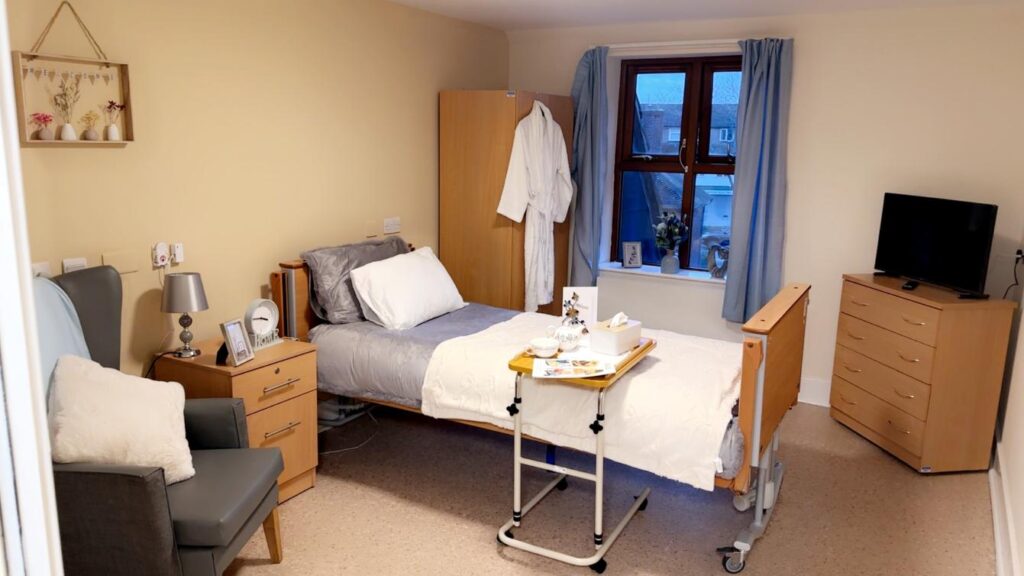
There is often a moment when families notice a change. It might be when their loved one begins talking about friends they have made, looks forward to a favourite activity or refers to staff members by name.
These moments can provide reassurance that the transition is progressing positively.
A care home becomes more than a place where support is provided. It becomes a community where residents can continue living fulfilling lives while receiving the care they need.
For many people, the first few weeks are simply the beginning of a new chapter filled with companionship, meaningful experiences and ongoing support.
Compassionate Care at Heathlands Care Home
At Heathlands Care Home in Chingford, we understand that moving into care is a significant step for both residents and their families. Our experienced team takes the time to understand every individual, helping them settle into their new surroundings with warmth, compassion and personalised support.
Whether you are exploring residential care, nursing care or dementia care, we are committed to creating a welcoming environment where residents feel safe, valued and truly at home.
If you are researching care homes in London and would like to learn more about life at Heathlands Care Home, we would be delighted to welcome you for a visit and answer any questions you may have.