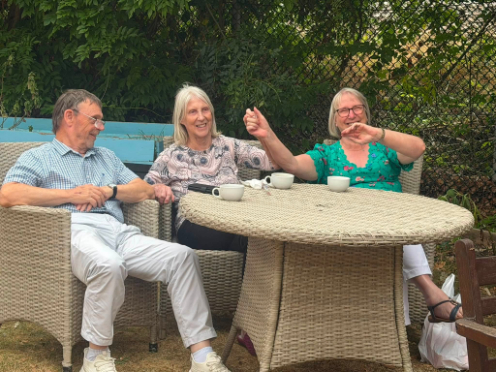
Activities are an important part of everyday life in a care home. They can provide opportunities for residents to socialise, enjoy their interests, stay active and spend time doing something meaningful.
For people living with dementia, activities can also provide opportunities to express themselves, connect with others and engage with familiar experiences. The most suitable activities will depend on the individual, their interests and their abilities, but there are many different options that can be adapted to suit residents at different stages of dementia.
Why Are Activities Important For People Living With Dementia?
Taking part in activities can give residents a sense of purpose and structure throughout the day. Activities can also create opportunities for conversation, social interaction and enjoyment.
For someone living with dementia, an activity does not necessarily need to have a particular end result. The process of taking part and enjoying the experience can be just as important.
Activities can also be adapted as a person's needs change, helping them continue to take part in things they enjoy in ways that feel comfortable and achievable.
Music And Singing
Music can be a particularly enjoyable activity for people living with dementia.
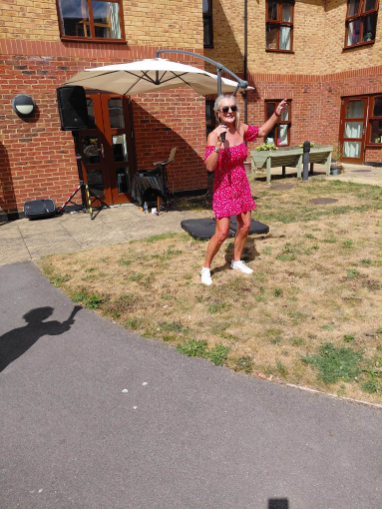
Listening to familiar songs can bring back memories and encourage conversation about earlier periods of someone's life. Singing along to well-known songs can also be a simple way to encourage participation, whether as part of a group activity or during a quieter moment.
Residents do not need to be able to sing or play an instrument themselves. Simply listening to favourite music can be an enjoyable and meaningful experience.
Reminiscence Activities
Reminiscence activities encourage residents to talk about memories and experiences from their past.
Old photographs, familiar objects, music, books and household items can all be used as conversation starters. A photograph from a particular period, for example, might encourage someone to talk about where they lived, their family or the hobbies they enjoyed.
These activities can also help staff learn more about residents and the experiences that have shaped their lives.
Arts And Crafts
Arts and crafts can provide a creative outlet that can be adapted to suit different abilities.
Painting, drawing, colouring, decorating objects or making simple seasonal crafts can all give residents something enjoyable to focus on. There does not need to be a perfect finished product. The enjoyment of choosing colours, handling materials and creating something can be the most important part.
Activities can also be simplified where necessary so that residents can participate at their own pace.
Gardening And Nature
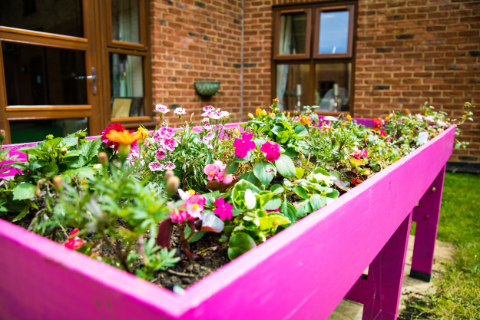
Spending time with nature can provide a calming and enjoyable activity for residents.
Depending on their abilities and the facilities available, residents might help with planting flowers, watering plants, arranging pots or simply spending time outdoors.
For someone who has always enjoyed gardening, these activities can also provide a connection to a familiar hobby and create opportunities to talk about experiences from earlier in life.

Baking And Cooking
Food can bring back strong memories and provide a familiar sensory experience.
Simple baking and cooking activities can allow residents to get involved with mixing ingredients, decorating cakes or preparing familiar recipes. The smell and taste of favourite foods can also encourage memories and conversation.
Activities can be adapted so that residents can participate safely according to their individual abilities.
Gentle Exercise And Movement
Remaining physically active can be beneficial for overall wellbeing, and movement can also be incorporated into enjoyable activities.
Gentle exercises, seated movement, dancing to favourite music or short walks can all provide opportunities for residents to move in ways that are appropriate for them.
The emphasis does not need to be on exercise itself. Enjoying music, spending time outdoors or taking part alongside other residents can make movement feel like a natural part of the day.

Sensory Activities
Sensory activities can involve familiar sights, sounds, smells, textures and tastes.
Residents might enjoy handling different fabrics, smelling familiar flowers, listening to music or exploring objects connected to their past. These activities can be particularly useful when verbal communication becomes more difficult.
The important thing is to understand what an individual resident enjoys and choose sensory experiences that are comfortable and familiar to them.
Social Activities And Group Games
Social activities can help residents spend time with others and maintain a sense of connection.
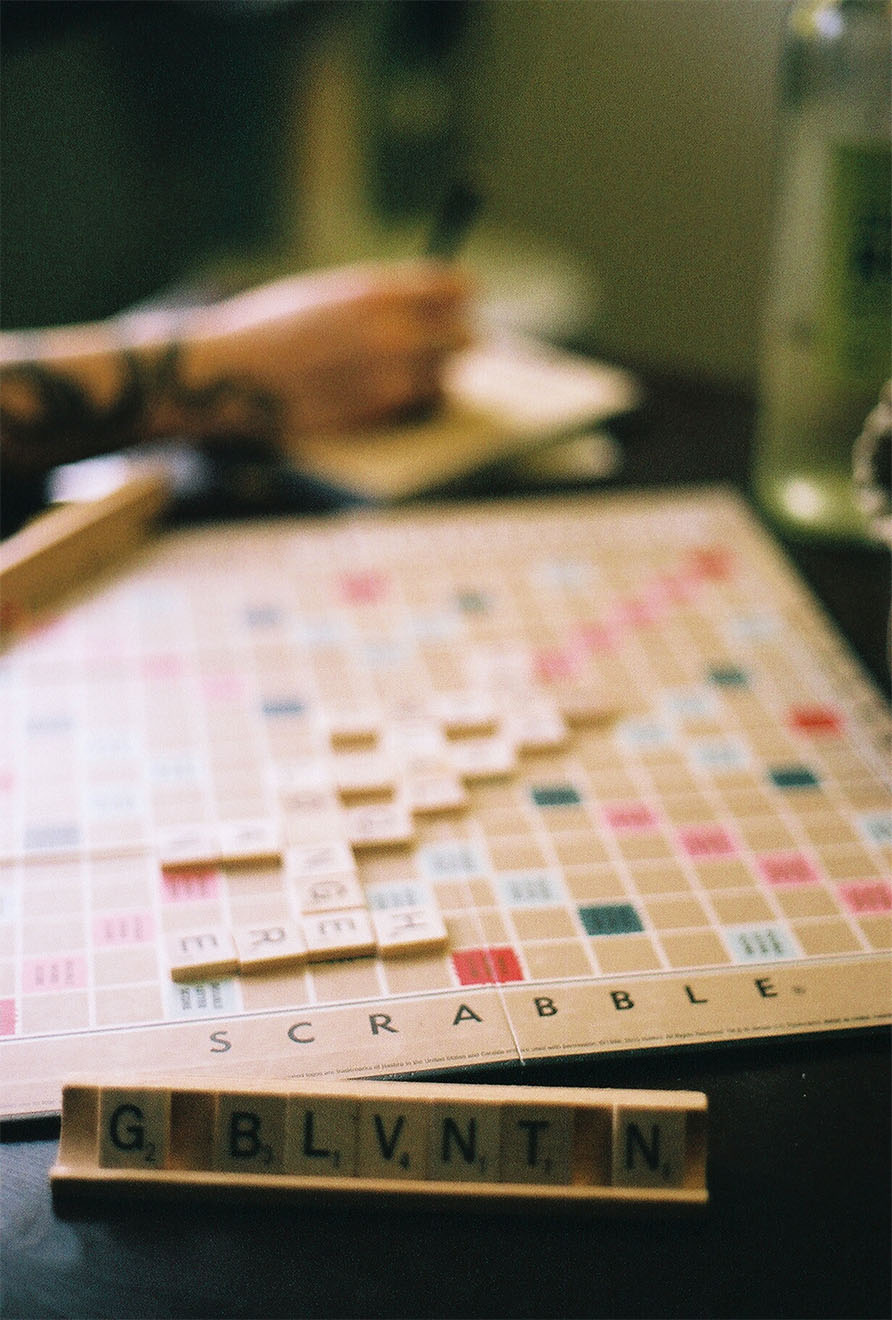
Simple quizzes, board games, card games, singing groups and themed activities can all be adapted to suit different abilities. Some residents may enjoy actively participating, while others may prefer to watch and join in when they feel comfortable.
There is no requirement for everyone to participate in exactly the same way.
Choosing Activities Around The Individual
There is no single list of activities that will be right for every person living with dementia.
Someone who has always enjoyed gardening may respond particularly well to spending time with plants, while another person may prefer music, cooking or talking about their family. Understanding a resident's history, interests and preferences can help make activities more meaningful.
At Heathlands Care Home, activities can be shaped around residents as individuals, giving them opportunities to continue enjoying familiar interests while also trying new experiences.
Meaningful Activities At Heathlands Care Home
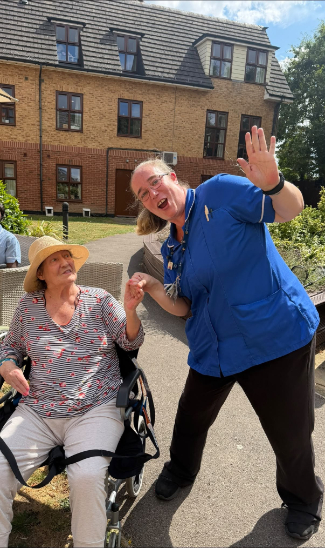
At Heathlands Care Home in Chingford, activities form part of everyday life and provide residents with opportunities to spend time with others, enjoy their interests and make meaningful moments throughout the day.
For residents living with dementia, activities can be adapted to suit individual abilities and preferences. Whether it is listening to a favourite song, looking through old photographs, spending time in the garden or taking part in a group activity, the focus is on making participation enjoyable and meaningful.
If you are considering dementia care for a loved one and would like to find out more about life at Heathlands Care Home, our friendly team would be happy to answer your questions. Get in touch with us or arrange a visit to see the home and meet the team.