What Is a Person-Centred Care Plan and How Are They Created in Care Homes?

When families begin exploring care options for a loved one, one of the most common questions is how care homes make sure each resident receives the right level of support. Every person has different needs, routines and preferences, which means care should never follow a one-size-fits-all approach.
This is where a person-centred care plan becomes essential. A care plan acts as a detailed guide that helps care teams understand exactly how to support each resident, ensuring their health, wellbeing and independence are prioritised every day.
For those looking into care homes for a loved one, understanding how a care plan is written and what it includes can offer reassurance that their family member will receive thoughtful and personalised support.
What Is a Person-Centred Care Plan?
A person-centred care plan is a structured document that outlines the support a resident needs in their daily life. Rather than focusing only on medical or practical care, it considers the individual as a whole person.
This includes physical health, emotional wellbeing, routines, personal preferences and lifestyle choices. The aim is to make sure that care reflects who the resident is, rather than simply focusing on their condition or age.

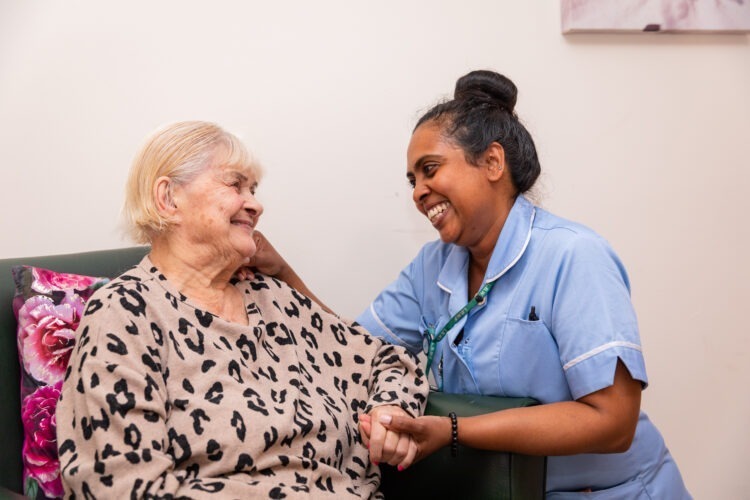
For example, a care plan might include information about preferred wake up times, favourite meals, hobbies or social activities. It may also detail mobility needs, medication schedules and any additional support required throughout the day.
By capturing these details, care teams can provide support that feels natural and familiar to each resident.
Why Person-Centred Care Plans Are Important
Every resident enters a care home with their own life story, personality and experiences. A person-centred care plan helps ensure these individual qualities remain central to the care they receive.
When care plans are carefully created and regularly updated, they help staff understand how best to support residents in a way that maintains dignity, independence and comfort.
For families, this approach provides reassurance that their loved one will not simply follow a rigid routine. Instead, their care will be tailored around their personal needs and preferences.
Person-centred care planning also improves communication between staff members, ensuring that everyone involved in a resident’s care understands the best ways to support them.
How Care Homes Assess a Resident’s Needs
Before a care plan is written, care homes carry out a detailed assessment of the resident’s needs. This stage helps staff understand the level of support required and how best to deliver it.
Assessments typically look at several important areas, including physical health, mobility, nutrition, medication requirements and emotional wellbeing. They also consider cognitive health, social preferences and any existing medical conditions.
Family members are often involved in these conversations as they can provide valuable insights into a resident’s routines, personality and life history. These details help build a more complete picture of the person and ensure their care plan reflects their lifestyle as closely as possible.
Writing a Care Plan That Reflects the Individual
Once the initial assessment is complete, the care team begins writing the care plan itself. The goal is to create a clear and personalised guide that staff can follow when supporting the resident.
A well written care plan typically includes details about daily routines, preferred activities, dietary needs and mobility support. It may also outline how staff should approach communication, especially for residents living with dementia or sensory impairments.


When considering how to write a care plan, care homes focus on clarity, practicality and personalisation. The plan must be detailed enough to guide staff while remaining flexible so it can adapt as the resident’s needs change.
The most effective care plans are those that capture the small details that make each resident unique.
Reviewing and Updating Care Plans
Care needs rarely remain the same over time. As residents settle into the care home environment or experience changes in health, their care plans may need to be adjusted.
For this reason, care plans are regularly reviewed by the care team. These reviews help ensure the support provided remains appropriate and continues to reflect the resident’s preferences.
Families are often involved in these reviews so they can share any concerns, observations or suggestions. This collaborative approach helps maintain strong communication between the care home and loved ones.
Updating care plans regularly ensures residents continue to receive the most suitable care throughout their stay.
Supporting Independence Through Personalised Care
A key benefit of person-centred care planning is the way it supports independence. Rather than focusing only on what a resident needs help with, care plans also recognise what individuals are still able to do for themselves.
Encouraging independence wherever possible can improve confidence, well-being, and overall quality of life. Whether it is choosing meals, taking part in favourite hobbies or maintaining personal routines, these everyday choices help residents maintain a sense of control over their lives.
Person-centred care plans make sure these opportunities remain part of daily life.


Person-Centred Care at Heathlands Care Home in Chingford
At Heathlands Care Home, we believe every resident deserves care that reflects who they are as an individual.
Our dedicated team takes the time to get to know each resident and their family, allowing us to create thoughtful and personalised care plans that support health, wellbeing and independence. By focusing on dignity, compassion and attention to detail, we aim to create a warm and supportive environment where residents feel comfortable and valued.
If you are exploring care options for a loved one, our friendly team at Heathlands Care Home in Chingford would be happy to help. Get in touch with us today to learn more about how we create personalised care plans and support residents every day.